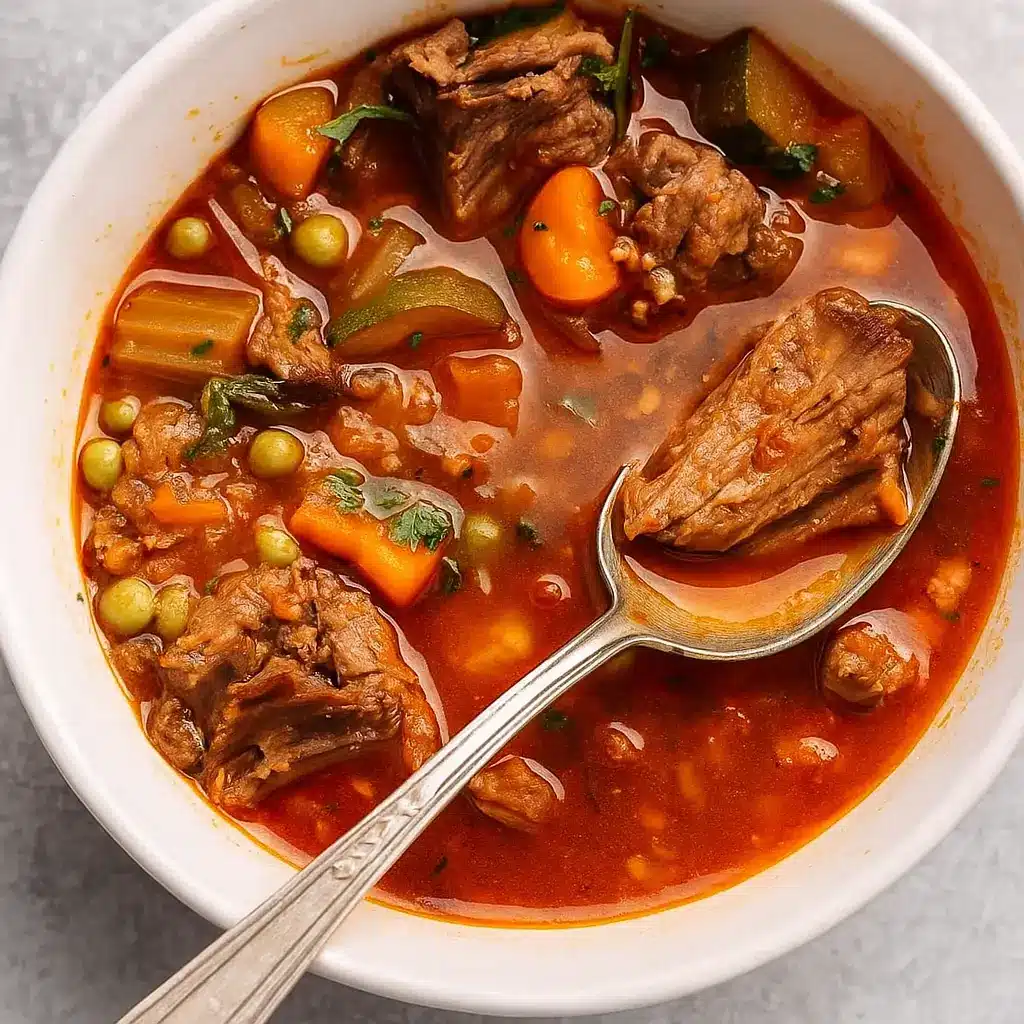
Unlock Fall-Apart Tender Beef Soup: The Secret to a Rich Broth
There’s something uniquely comforting about a steaming bowl of homemade soup, especially when it’s a hearty
vegetable beef soup. It evokes memories of cozy family dinners, chilly evenings, and the warmth of a kitchen filled with savory aromas. But not all vegetable beef soups are created equal. Have you ever yearned for that truly melt-in-your-mouth beef, simmered in a broth so deeply flavorful it feels like a warm hug? If your past attempts have resulted in tough beef or a watery, uninspired broth, prepare to transform your soup-making game. We’re about to dive into the secrets that elevate a simple
vegetable beef soup from good to absolutely unforgettable.
This isn't just another recipe; it’s a masterclass in achieving culinary perfection in a bowl. We’ll explore techniques that deliver beef so tender it practically falls apart at the touch of a spoon (or even chopsticks!), and a broth that’s rich, slightly thickened, and bursting with complex flavors. Get ready to impress your family and savor every last drop.
The Quest for Unrivaled Tenderness: Mastering Your Beef
The cornerstone of an exceptional
vegetable beef soup is, undoubtedly, the beef. Forget dry, chewy chunks; our goal is beef that melts in your mouth, infused with the flavors of the broth. This begins with selection and preparation.
First, choose the right cut. Economical cuts of stewing beef are perfect here – think chuck roast or a similar cut that benefits from long, slow cooking. It’s crucial to cut the beef into bite-sized pieces. While it might feel like you're preparing for a stew, remember this is a soup, so smaller pieces ensure every spoonful is a delight and also cook more efficiently.
The most critical step, the "secret sauce" for both tender beef and a deeply flavored broth, is
browning the beef aggressively. Do not skip this! Searing the beef in a hot pot before adding any liquids creates a magnificent crust through the Maillard reaction. This process caramelizes the natural sugars and amino acids in the meat, developing incredible savory flavors. More importantly, it creates "fond" – those delicious browned bits stuck to the bottom of your pot. As you deglaze with liquid (or our secret ingredient, which we'll discuss shortly), this fond dissolves into the broth, adding unparalleled depth and richness that simply cannot be achieved by merely boiling the meat. This foundational step is the difference between a dull soup and a dynamic one.
Cooking methods also play a vital role. While a traditional stovetop pot can work, slow cooking is your best friend for achieving that coveted fall-apart tenderness. A slow cooker or Dutch oven allows the beef to simmer gently for hours, breaking down connective tissues until it's incredibly soft. This slow transformation is what makes your beef feel less like soup meat and more like a delectable pot roast in liquid form. For more on slow cooking, check out our guide:
Easy Slow Cooker Vegetable Beef Soup: Your Next Family Favorite.
Beyond Bland: Crafting a Broth That Sings
Many homemade soups fall victim to a watery, one-dimensional broth. But the goal of our perfect
vegetable beef soup is a broth that's a meal in itself – savory, aromatic, and with a comforting body. This is where a few strategic additions make all the difference.
The game-changer for a truly exceptional broth often comes from a "secret ingredient":
red wine, stout, or Guinness. Before you worry about boozing up your family dinner, understand that this isn't about alcohol content (which cooks out during simmering), but about adding layers of complexity and character. Red wine imparts a classic, slightly acidic richness often found in beef stews. Stout or Guinness offers a deeper, more intense, almost malty flavor profile, reminiscent of an Irish stew. Even a small amount works wonders, transforming a good broth into a stellar one without hours of simmering that traditional beef stock might require. If you typically don't have these on hand or prefer to avoid them, a robust beef broth can still yield a delicious result, but the alcoholic additions truly elevate the experience.
Another key to a rich broth is achieving a desirable thickness. We’re aiming for something more akin to a "thinnish gravy" rather than a thin, watery liquid. The browned bits from the beef already contribute to this, but for an even more satisfying consistency, consider adding
tomato paste. Introduced halfway through cooking, tomato paste not only thickens the broth slightly but also deepens its umami flavor. Beyond that, infusing your broth with savory herbs like bay leaves, thyme, and rosemary throughout the simmering process will build an aromatic foundation that complements the beef and vegetables beautifully. For more insights on developing rich flavors, explore our article:
Elevate Your Vegetable Beef Soup: The Secret to a Deep, Flavorful Broth.
The Vegetable Ensemble: Freshness, Flavor, and Fulfillment
While the beef and broth take center stage, the medley of vegetables is what makes this a true
vegetable beef soup – a balanced, nourishing, and vibrant meal in a bowl. The beauty of this soup lies in its flexibility.
Classic additions include corn and green beans, which add color, texture, and a touch of sweetness. Potatoes are a popular choice, providing heartiness and thickening the soup slightly as they break down. Beyond these staples, feel free to get creative. Carrots, celery, onions, and diced tomatoes (or canned diced tomatoes for a convenient, flavorful base) are almost always present.
A special mention goes to mushrooms. While you could simply simmer them with the rest of the vegetables, for an extra burst of flavor, consider sautéing them separately in butter until golden brown before adding them towards the end of cooking. This extra step develops a nutty, earthy depth that simmered mushrooms just can’t achieve.
Timing is important for texture. Harder root vegetables like carrots and potatoes can go in earlier to ensure they soften completely. More delicate vegetables like green beans, corn, or that sautéed mushroom medley are best added closer to the end of the cooking process to prevent them from becoming mushy and to retain their vibrant color and slight crunch. The goal is a harmonious blend of textures, where every bite offers something new.
Why Leftovers are a Blessing: The Magic of Make-Ahead Meals
One of the most cherished qualities of a truly great
vegetable beef soup is its uncanny ability to taste even better the next day. This isn't just an old wives' tale; it's culinary science. As the soup cools and rests, the flavors meld and deepen. The ingredients continue to infuse into the broth, creating a more cohesive and complex taste experience.
This "leftover magic" makes vegetable beef soup an ideal choice for meal prepping. Cook a big batch on the weekend, and you'll have delicious, ready-to-heat meals for busy weeknights. It’s perfect for packing in thermoses for lunch or simply having a satisfying dinner waiting for you after a long day. The heartiness of the dish ensures you feel full and satisfied, making it a practical and comforting solution for modern families.
Practical Tips for Your Best Vegetable Beef Soup
To ensure your next batch of
vegetable beef soup is your best yet, keep these actionable tips in mind:
*
Don't Rush the Brown: This is arguably the most crucial step. Take your time browning the beef in batches if necessary, ensuring each piece develops a deep, rich crust. The fond left behind is pure flavor gold.
*
Embrace Flexibility: This soup is incredibly forgiving. If you don't have green beans, use peas. No red wine? A good quality beef broth will still work wonders. Adjust the vegetables based on what’s in season, your preferences, and what you have on hand.
*
Taste and Adjust: Seasoning is an ongoing process. Taste your soup throughout cooking and adjust salt, pepper, and herbs as needed. Remember, a deep broth often benefits from a touch of acidity (like a splash of red wine vinegar or lemon juice at the end) to brighten the flavors.
*
Thickening Options: Beyond tomato paste, if you find your broth isn't quite as thick as you'd like at the very end, you can whisk a tablespoon of cornstarch with an equal amount of cold water to create a slurry, then stir it into the simmering soup until thickened. However, often the natural starches from potatoes and the tomato paste will be sufficient.
*
Serve with Love: A warm slice of crusty bread or a simple side salad is all you need to complete this hearty meal.
Conclusion
Crafting a truly exceptional
vegetable beef soup isn't just about following a recipe; it's about understanding and applying a few key principles. From aggressively browning your beef to unlock incredible depth, to introducing "secret ingredients" like red wine for a sophisticated broth, and intelligently incorporating your vegetable medley, each step contributes to a symphony of flavors and textures. The result is a profoundly satisfying, fall-apart tender beef soup that offers warmth, comfort, and a richness that will make it a cherished family favorite. So, gather your ingredients, follow these insights, and prepare to elevate your homemade soup experience to an entirely new level.