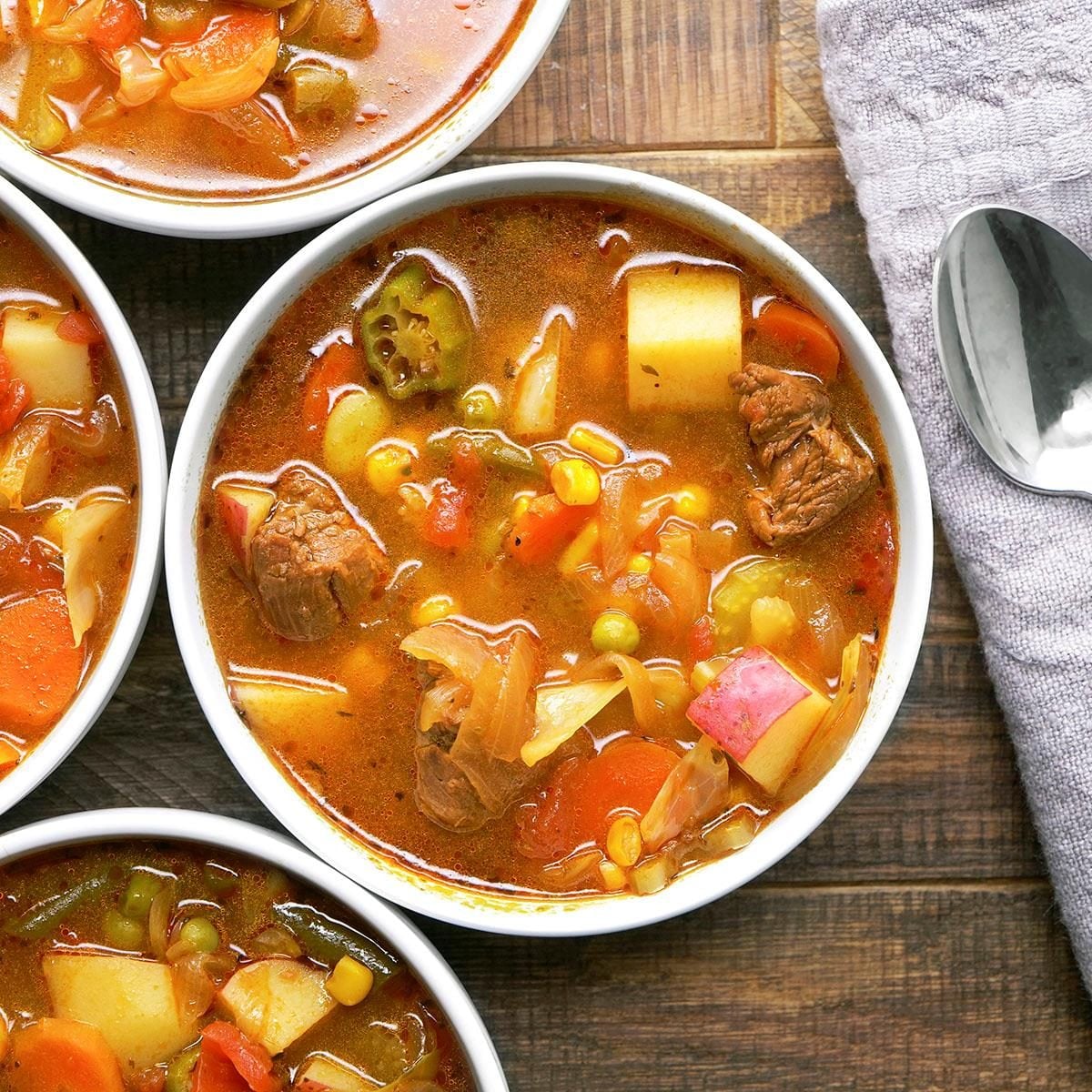
Elevate Your Vegetable Beef Soup: The Secret to a Deep, Flavorful Broth
Few dishes evoke the warmth and comfort of home quite like a hearty bowl of vegetable beef soup. It’s a timeless classic, cherished for its nourishing qualities, generous chunks of tender beef, and an abundance of garden-fresh vegetables. Yet, many home cooks grapple with a common frustration: a soup that, despite all its ingredients, tastes surprisingly bland or watery. If you’ve ever found your beef soup lacking that profound, soul-satisfying depth, you’re in the right place. This article will unlock the secrets to transforming your ordinary *vegetable beef soup* into an extraordinary culinary masterpiece, focusing intensely on the often-overlooked hero: the broth. Forget those dull, insipid broths that merely serve as a vehicle for the other ingredients. We’re talking about a rich, savory, and robust liquid that sings with flavor, making every spoonful an experience. By applying a few strategic techniques and embracing some clever ingredients, you can elevate your homemade *vegetable beef soup* from good to unforgettable.The Foundation: Building Unforgettable Broth Flavor from the Ground Up
The journey to an exceptional *vegetable beef soup* broth begins long before the liquid even hits the pot. The first crucial step is to build foundational flavor directly into your beef and aromatics. This is where many home cooks rush, missing critical opportunities to deepen the taste profile.1. Aggressive Beef Browning: The Maillard Reaction Magic
This is arguably the most impactful step for broth flavor. Don't just lightly sear your stewing beef; truly *brown* it. The goal is to develop a deep, dark crust on every piece. This process, known as the Maillard reaction, creates hundreds of new flavor compounds that are incredibly complex and savory. When browning, ensure your pot or Dutch oven is adequately hot, and work in batches if necessary to avoid overcrowding. Overcrowding lowers the pan temperature, steaming the meat instead of browning it, which will lead to grey, flavorless beef and a lackluster broth. Those brown bits left at the bottom of the pan, known as 'fond,' are pure gold – they will dissolve into your broth later, adding immense depth.
2. Sautéing Aromatics with Purpose
Once your beef is browned and set aside, use the same pot, with all its delicious fond, to sauté your aromatic vegetables. Onions, carrots, and celery (the classic mirepoix) are essential. Cook them slowly until they soften and begin to caramelize, coaxing out their natural sweetness and developing further layers of flavor. Garlic, added in the final minute or two of sautéing, provides a pungent, savory kick that rounds out the aromatic base beautifully. These softened, slightly caramelized vegetables will infuse the broth with their essence as the soup simmers.
3. Deglazing: Capturing Every Ounce of Flavor
After your aromatics are cooked, it’s time to deglaze the pot. Pour in a splash of liquid – this could be a little beef broth, water, or even some of the 'secret ingredients' we'll discuss next. Using a wooden spoon, scrape up all those wonderful brown bits (fond) from the bottom of the pot. This rich, concentrated flavor will immediately dissolve into your liquid, becoming the cornerstone of your deep, flavorful broth. It’s a simple step, but one that dramatically impacts the final taste of your *vegetable beef soup*.
The Secret Weapon: Unlocking Deeper Dimensions with Liquid Enhancers
While a good base is essential, truly exceptional broth often benefits from unexpected additions that introduce complexity and character without requiring hours of extra simmering. These 'secret weapons' elevate the flavor profile of your *vegetable beef soup* from merely good to truly stellar.1. The Magic of Fermented Liquids: Red Wine, Beer, or Stout
One of the most transformative additions you can make to your *vegetable beef soup* is a splash of red wine, beer, or stout. As hinted in classic recipes, these ingredients aren't about adding alcohol; they're about introducing complex acids, sugars, and savory notes that deepen the broth's character significantly.
- Red Wine: A dry red wine (like Cabernet Sauvignon or Merlot) imparts a classic, slightly tangy, and robust flavor often associated with beef stews. It adds a beautiful acidity that brightens the overall taste.
- Stout or Guinness: For an even more intense, deep, and slightly malty flavor, stout or Guinness is an excellent choice. It lends a rich, dark hue and a savory complexity that evokes traditional Irish stews.
2. The Umami Powerhouse: Tomato Paste
Beyond being tomato-based, many of the best *vegetable beef soup* recipes benefit immensely from tomato paste. This concentrated ingredient is a powerhouse of umami, adding a savory depth and a subtle sweetness that balances other flavors. For an even more profound effect, sauté the tomato paste for a minute or two with your aromatics before adding any liquid. This toasts the paste, deepening its flavor. Alternatively, adding a tablespoon or two of tomato paste halfway through the cooking process, as some recipes suggest, not only thickens the broth slightly but also contributes a fresh burst of umami and a pleasant tang that cuts through the richness of the beef.
3. High-Quality Broth/Stock
Finally, don't underestimate the importance of starting with a good quality beef broth or stock. While the steps above build immense flavor, a robust store-bought or homemade broth provides a solid foundation. Look for low-sodium options so you can control the seasoning yourself.
Crafting Fall-Apart Tender Beef and Perfect Vegetables
A great broth needs worthy companions. The hallmark of a truly comforting *vegetable beef soup* is melt-in-your-mouth beef and perfectly cooked vegetables that retain their texture and vibrant color.1. Achieving Fall-Apart Tender Beef
The secret to incredibly tender beef lies in patient, slow simmering. Economical cuts like chuck roast, stewing beef, or even beef round are ideal. Cut them into bite-sized pieces – remember, this is soup, so smaller pieces are generally preferred over larger stew-sized chunks. After browning, the beef needs to simmer gently in your flavorful broth for an extended period, typically 2-3 hours on the stovetop or 6-8 hours in a slow cooker, until it easily pulls apart with a fork (or even chopsticks, for a truly visual demonstration of tenderness!). This slow cooking breaks down the connective tissues, resulting in that coveted "fall-apart" texture.
2. Strategic Vegetable Timing
The key to perfectly cooked vegetables, avoiding a mushy mess, is to add them in stages based on their cooking times.
- Earlier Additions: Heartier, root vegetables like carrots, potatoes, and celery should go in earlier, giving them ample time to soften and absorb the broth's flavors without becoming disintegrating.
- Later Additions: Softer or quicker-cooking vegetables like corn, green beans, or peas should be added in the last 20-30 minutes of cooking. This ensures they remain tender-crisp, vibrant, and don't turn into a bland, overcooked mush.
- Optional Sautéed Mushrooms: For an extra layer of savory richness, consider sautéing sliced mushrooms in a separate pan with a knob of butter until golden brown, then adding them to the soup during the final 15 minutes. This method vastly enhances their flavor compared to just simmering them in the broth.
Beyond the Basics: Expert Tips for Your Best Vegetable Beef Soup
To truly master your *vegetable beef soup*, consider these additional insights and tips:- Herb Infusion: Don't forget the herbs! Bay leaves, sprigs of fresh thyme, rosemary, or dried Italian seasoning add aromatic depth. Add sturdy herbs like bay leaves and thyme at the beginning with your liquids, and stir in fresh parsley or chives right before serving for a burst of freshness.
- Thickening Options: If you desire an even thicker, gravy-like broth (beyond what tomato paste offers), you can create a slurry of cornstarch or flour mixed with a little cold water and stir it into the simmering soup during the last 30 minutes of cooking. Another trick is to mash a portion of the cooked potatoes or other root vegetables against the side of the pot to naturally thicken the broth.
- The Magic of Leftovers: Like many hearty stews, *vegetable beef soup* often tastes even better the next day. The flavors meld and deepen overnight, creating an even more harmonious and rich experience. It’s an ideal make-ahead meal for busy families.
- Slow Cooker Convenience: For ultimate ease and hands-off cooking, your *vegetable beef soup* is perfectly suited for a slow cooker. While browning the beef on the stovetop beforehand is highly recommended for maximum flavor, the slow cooker will ensure your beef is incredibly tender and your broth beautifully developed with minimal effort. If you're looking for ultimate convenience without sacrificing flavor, our article Easy Slow Cooker Vegetable Beef Soup: Your Next Family Favorite offers fantastic insights and recipes.
- Customization is Key: Feel free to customize your soup with your family's favorite vegetables. From peas and bell peppers to zucchini and spinach, this soup is incredibly versatile. It's truly a meal-in-a-bowl that needs nothing more than a side of crusty bread or cornbread for dipping.
